
HI-FI components
Hi-Fi components
Hi Fi components from premium global manufacturers. We offer complete service and advice in the field of modern Hi Fi, home cinema and multi-room systems.
New dimensions with network support
Modern Hi-Fi The components are mostly combined with computer technology and enable an easier and better user experience. Nadzor via apps, internet radio, listening to HD music from network sources or streaming content via music services, in higher quality than CD. If modern CDs used to be predexercisers, today they are network streamers and network amplifiers / receivers. Turntables are coming back!
Multi-room sound
Hi-Fi components, amplifiers, network amplifiers, media predexercisers, streamers, etc., are compatible with multi-room systems, which means wireless nadsound construction in secondary spaces. You can have Hi-Fi system in the hobby room and a home theater in the living room – both can nadyou are connected via one interface.
Modern shapes
Some people like to see the components, others want a completely invisible system, and still others want a mini/micro designer solution. The choice is limitless today.
Dobra Hi-Fi Today, equipment is part of the living environment or ambience and not just an individual's hobby.
-
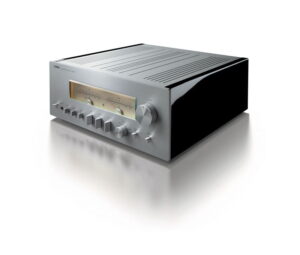
HiFi stereo amplifiers (116)
-
HiFi stereo receivers (21)
-

Network predtrainer | Streamer (39)
-
YES converter (15)
-
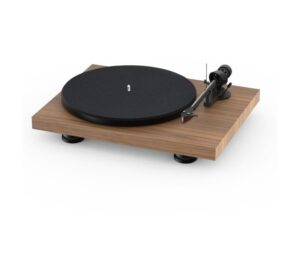
Turntables (199)
-
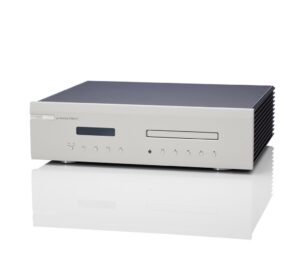
CDredexerciser (38)
-
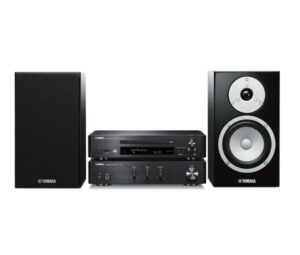
Music tower (25)
-
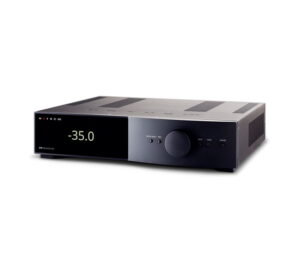
Predamplifier (57)
-
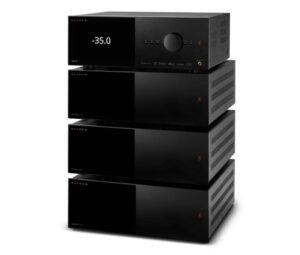
Power amplifiers (28)
-
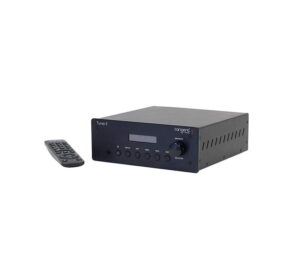
DAB receiver (6)
Pogosta vprašanja o Hi-Fi components
What is the difference between a stereo amplifier and a stereo receiver?
A stereo receiver is a stereo amplifier with a built-in radio receiver (FM/DAB+) and often also network functions, while a classic amplifier only amplifies the signal of connected sources.
- Stereo amplifier: osreddependent on the quality of the amplification, multiple analog inputs, often a phono input, the sources are separate components.
- Stereo receiver: all in one device – radio, Spotify Connect, internet radio, often multi-room predtraining and application management.
For a system in one device, choose from stereo receivers with network functions , or for a system of separate components, choose from integrated stereo amplifiers.
Integrated amplifier or combination predamplifier and output stage?
An integrated amplifier is the right choice for most systems, a separate combination ofredamplifiers and power stages for demanding speakers and audiophile systems.
- Integrated amplifier: one device, fewer cables, lower price, sufficient for most bookshelf and floorstanding speakers.
- Predamplifier + final stage: separate power supply and circuits, more power and naddawn on speakers with low impedance or low sensitivity, possibility of gradual nadconstruction.
Take a look Hi-Fi predamplifiers in power amplifiers (final stages).
What do I need to listen to music with Spotify, Tidal or Qobuz?
You need a network preda streamer or an amplifier or receiver with built-in network functions. You connect the streamer to your existing amplifier via an analog (RCA) or digital output and control it with an app on your phone. Tidal and Qobuz offer music in resolutions up to 24-bit/192 kHz, which is higher than CD (16-bit/44,1 kHz). You can choose between network predstreaming music exercisers.
Do I need a phono preamp for a turntable?redamplifier?
Yes, if your amplifier does not have a PHONO (MM or MC) input. The output signal from the phono cartridge is only about 0,2-5 mV, while the line input expects about 2 V, so the signal needs additional amplification and RIAA correction. Some turntables have a phono input.redamplifier already built in. Separate predthe amplifier is one of the most affordable nadsound constructions – check gramophone recordsredamplifiers for MM and MC heads.
How do I choose the power of the amplifier based on the speakers and the room?
Choose the power based on the speaker manufacturer's recommendation (W RMS), their impedance (4 or 8 Ω) and the size of the room:
- Bookshelf speakers and rooms up to 20 m²: 40–60 W RMS per channel at 8 Ω.
- Freestanding speakers and rooms nad 25 m²: at least 80-120 W RMS per channel at 8 Ω.
- Speakers with 4 Ω impedance: choose an amplifier that has a power rating also at 4 Ω.
When is it worth using a separate DA converter (DAC)?
Separated DAC It pays off when you have multiple digital sources (CDs,redexerciser, TV, computer, streamer) and you want better conversion than the built-in converters allow. It has its own power supply and optical, coaxial and USB inputs, and most models support at least 24-bit/192 kHz. You can choose from separate DA converters (DAC).
Can I on Hi-Fi Do I connect the system to the TV?
Yes. The easiest way is through the entrance. HDMI ARC or eARC, which some modern amplifiers and receivers have – you then control the volume with your TV remote. If your amplifier does not have HDMI input, connect the TV via optical (Toslink) or coaxial digital input.